10 Casino Habits Players Should Rethink
Dear reader, every casino has its unspoken etiquette. Not the dress code or the cocktail order, but the quiet habits that separate players who enjoy the experience from those who wonder where the evening went.
At Slots Capital we adore glamour, excitement, and a well-timed spin, but we also believe that responsible gaming and safe gambling are what keep the sparkle intact.
This column isn’t about wagging fingers. It’s about noticing patterns, rethinking routines, and upgrading how you play, so the fun lasts longer and feels better. Think of it as a knowing glance across the room, followed by ten habits worth reconsidering.
Why This List Matters
This list matters because casino play is rarely shaped by one big mistake; it’s shaped by small habits repeated quietly over time. These are the behaviors that slip under the radar: the extra deposit made without thinking, the session that runs longer than planned, the mood that nudges decisions just enough off course.
By naming these habits, the article gives players language for things they often feel but don’t articulate. That awareness is the foundation of responsible gaming and safe gambling. When players recognize patterns early, they regain choice. Play becomes deliberate rather than reactive, enjoyable rather than tense.
This list isn’t about restriction, it’s about refinement: helping players keep control, protect their enjoyment, and make sure the casino remains a place of entertainment, not regret.
1. Playing Without a Clear Budget
The most common habit players should rethink is sitting down without a budget. It feels spontaneous, even thrilling, but it’s rarely responsible gaming. A budget isn’t a limit on enjoyment, it’s a framework that protects it. When you decide in advance what you’re comfortable spending, every spin becomes intentional instead of reactive.
Safe gambling begins before the first reel turns. A clear budget helps you avoid chasing losses, overspending, or playing longer than planned. Players who budget tend to enjoy sessions more because there’s no background anxiety humming along. Knowing where you stand financially lets you focus on the game, not the consequences.
2. Ignoring Deposit Limits
Deposit limits exist for a reason, yet many players skip past them without a second thought. This habit quietly undermines responsible gaming. Deposit limits create a natural pause, a moment to reflect before more funds enter the picture.
Lowering or setting deposit limits doesn’t signal a lack of confidence, it signals awareness. Safe gambling is often about slowing the pace just enough to stay in control. Players who use deposit limits report feeling calmer, less pressured, and more satisfied with their play. The casino will still be there tomorrow; your balance should be too.

3. Not Tracking What You’ve Spent
One of the sneakiest habits is failing to track spending. Without notes, mental or written, it’s easy to underestimate how much has gone out and how quickly. Responsible gaming thrives on clarity, not guesswork.
Keeping simple records of what you’ve spent, when, and how helps you spot patterns early. Safe gambling isn’t about memorizing every cent, it’s about awareness. When players know their habits, they can adjust before frustration sets in. Think of it as reading your own column, full context always tells a better story.
4. Chasing Losses Instead of Taking Breaks
Chasing losses is less a strategy and more an emotional reflex. It’s also one of the clearest signals that responsible gaming has slipped out of focus. When a session turns cold, the smartest move is often stepping away.
Safe gambling recognizes that no game responds to urgency or determination. Breaks reset perspective and protect both mood and bankroll. Players who pause rather than chase tend to return with clearer judgment and better control. The casino isn’t going anywhere-but emotional decisions can do lasting damage.
5. Playing on Autopilot
Autoplay has its place, but relying on it too heavily can disconnect you from your session. Spins blur together, spending accelerates, and awareness fades. That’s rarely aligned with responsible gaming.
Manual play keeps you present. It encourages pauses, reflection, and intentional decisions, key pillars of safe gambling. When you actively engage with each spin, you’re more likely to notice when it’s time to stop, switch games, or simply call it a night. Attention is a quiet form of control.
6. Treating Bonuses as Free Money
Bonuses are generous, but treating them as risk-free often leads to disappointment. Responsible gaming means understanding the terms, wagering requirements, and limits attached to any offer.
Reading bonus conditions isn’t dull-it’s empowering. Safe gambling thrives on informed choices, not assumptions. Players who understand how bonuses work feel less frustration and more satisfaction when wins arrive. A bonus should enhance your experience, not confuse it after the fact.
7. Playing Too Long Without Noticing Time
Time has a curious way of dissolving during play. One session quietly becomes several hours, and suddenly fatigue takes the wheel. Losing track of time is a habit worth rethinking if responsible gaming matters to you.
Setting time limits supports safe gambling just as much as financial limits do. When sessions have a clear endpoint, play feels purposeful rather than draining. Players who manage time well tend to leave sessions feeling entertained instead of depleted, and that’s the goal.
8. Playing When Emotions Are Running High
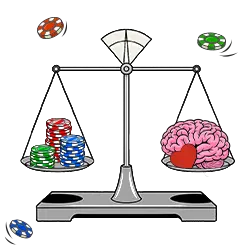
Strong emotions - excitement, stress, frustration - can all cloud judgment. Playing while emotionally charged is rarely aligned with responsible gaming. Decisions become impulsive, and outcomes feel heavier than they should.
Safe gambling encourages checking in with your mood before logging in. Calm, neutral states lead to better pacing and clearer choices. The casino experience should enhance your evening, not act as an emotional amplifier when balance is already off.
9. Switching Games Constantly
Hopping from game to game feels exploratory, but it often undermines rhythm and understanding. Slots and table games each have personalities that take time to reveal themselves. Responsible gaming benefits from patience.
Safe gambling means giving games room to breathe. When players settle into fewer titles per session, decisions become steadier and expectations clearer. Constant switching often leads to the impression that nothing is working, when nothing was played long enough to unfold naturally.
10. Forgetting that Gambling Is Entertainment
The final habit to rethink is subtle but important: forgetting that gambling is meant to be entertainment, not a solution or obligation. Responsible gaming places enjoyment first, outcomes second.
When play becomes about pressure or recovery, safe gambling slips away. The healthiest players view wins as pleasant surprises, not necessities. They know when to stop, when to smile, and when to return another day. That perspective keeps the experience light, enjoyable, and sustainable.
A Spin of Perspective
Responsible gaming and safe gambling aren’t buzzwords, they’re the quiet habits that protect the fun. When you set budgets, track spending, manage time, and stay emotionally aware, play becomes smoother and more rewarding.
At Slots Capital, we invite you to play thoughtfully, with intention and style. Sign up, set your limits, choose your games wisely, and enjoy the experience as it was meant to be enjoyed. The best casino stories are the ones that end on your terms: calm, confident, and ready for the next visit.